| Getting your Trinity Audio player ready... |
OEM Opportunities for Collagen Brands in India
The global nutraceutical and beauty supplement market continues to expand at a remarkable pace, driven by increasing consumer interest in health, wellness, and “beauty-from-within” solutions. Among these, collagen stands out as a key ingredient, sought after for its potential benefits in skin health, joint support, and overall vitality. For brands aiming to enter or expand within the Indian market, leveraging Original Equipment Manufacturing (OEM) opportunities can be a strategic and cost-effective pathway to success.
The Promise of the Indian Collagen Market
India represents one of the fastest-growing markets for health and wellness products in the Asia-Pacific region. Rising disposable incomes, greater health awareness, and an expanding middle class are fueling demand for nutraceutical supplements, including collagen peptides. In parallel, the beauty and personal care segment in India is embracing ingestible skincare—products consumers take orally that promise benefits to skin, hair, and nails—further elevating interest in collagen supplements. While exact market figures vary by source, industry analyses consistently highlight India as a high-potential market for collagen products in both nutritional and beauty categories.
Despite this robust demand, building a brand from scratch in a new geography can be complex and capital intensive. That’s where OEM partnerships become a compelling strategy.
What OEM Offers to Collagen Brands
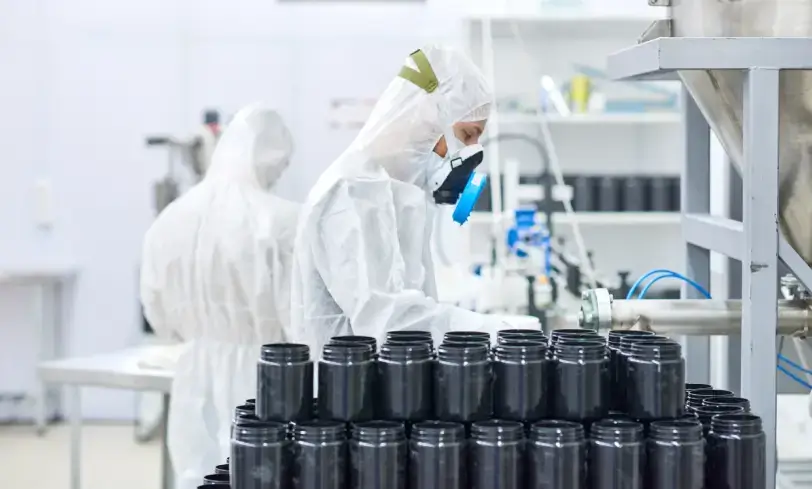
An OEM partnership allows brands to outsource the manufacturing of their products to specialists with established facilities, expertise, and regulatory compliance systems. In practical terms, this means a collagen brand can focus on marketing, sales, and distribution while the OEM partner handles formulation, production, testing, and packaging.
There are several key advantages to pursuing OEM opportunities in India:
1. Faster Time to Market
Establishing a certified manufacturing facility requires significant capital investment and time—often years of planning, construction, and regulatory approval. By partnering with an OEM, brands can leverage existing facilities to bring products to market much more quickly.
2. Regulatory and Quality Assurance
India’s regulatory environment for nutraceuticals and supplements is governed by robust standards under the Food Safety and Standards Authority of India (FSSAI). OEM partners with reputable credentials will already have the necessary certifications—such as ISO, GMP, and FSSAI compliance—to ensure products meet legal and quality benchmarks. This assurance extends to sourcing, testing, and documentation, which are critical for both domestic sales and export opportunities.
At the same time, international brands often seek manufacturers familiar with FDA CGMP (Current Good Manufacturing Practices) standards or other global quality frameworks to ensure compliance in export markets. Human Biosciences’ manufacturing capabilities, for example, are compliant with FDA CGMP requirements and ISO 13485 standards, equipping partners with high levels of quality assurance.
3. Cost Efficiency
Operating your own production line can be cost-prohibitive, particularly when factoring in equipment, labor, and quality control systems. OEM collaboration allows brands to share production resources, reducing per-unit costs and supporting competitive pricing strategies. Many Indian manufacturers also provide flexibility with minimum order quantities (MOQs), which can accommodate emerging brands and startups.
4. Customization and Innovation
OEM partners often have the technical expertise to help customize formulations based on consumer preferences or functional requirements. Whether a brand wants marine collagen for premium positioning or a multi-ingredient formula that includes vitamins and hyaluronic acid, experienced OEMs can assist with formulation design, pilot batches, and scale-up production.
Choosing the Right OEM Partner in India
India hosts a vibrant ecosystem of nutraceutical manufacturers that offer third-party and private label services. Established companies such as NB Healthcare, Titan Biotech, and Greenwell Lifesciences are recognized for their collagen peptide manufacturing capabilities and adherence to strict quality controls. Many of these firms are ISO, GMP, and FSSAI certified—ensuring products are produced under recognised regulatory standards.
When evaluating OEM opportunities, brands should consider:
- Regulatory Credentials: Ensure the manufacturer meets Indian and international compliance standards relevant to your target markets.
- Formulation Expertise: Assess the ability to support custom ingredient blends and product differentiation.
- Manufacturing Capacity: Align production capabilities with your forecasted volume needs.
- Quality Control: Review testing protocols for identity, purity, potency, and safety.
- Documentation Support: Products intended for export or premium positioning benefit from comprehensive batch records, certificates of analysis, and transparency in sourcing.
How Human Biosciences Fits Into the OEM Landscape
For global or US-based brands looking to enter India, partnerships with companies like Human Biosciences can offer a compelling value proposition. With decades of experience in collagen product innovation, private label services, and FDA-cleared manufacturing processes, Human Biosciences provides turnkey support from development to packaging. Their infrastructure is designed to ensure efficient execution and regulatory compliance, making them a reliable partner for brands aiming to navigate both Indian and international markets.
Final Thoughts
The Indian collagen market offers tremendous potential for brands willing to explore OEM partnerships. By leveraging established manufacturing expertise, strong regulatory frameworks, and quality assurance systems, companies can accelerate their entry, scale efficiently, and focus on building brand equity. Whether you are launching a new beauty-from-within supplement or expanding your global footprint, OEM opportunities in India present a pragmatic and strategic path to growth.