

| Getting your Trinity Audio player ready... |


Ridley Vann
Mr. Vann oversees E-Commerce, Inventory, and Facilities, ensuring optimal product and supply management across medical, nutraceutical, and cosmetic lines.
With a dedication to accuracy and reliability, he brings a wealth of experience as an innovative project coordinator adept at managing diverse initiatives and streamlining processes.
He holds a Bachelor’s of Science Degree in Environmental Science and Technology from the University of Maryland and started his career at the Smithsonian Institution, spearheading green initiatives for the annual Folklife Festival with the Metropolitan Washington Council of Governments.

Nisha Jain Vann
Creative Director, Human BioSciences
Mrs. Vann is responsible for branding, design, and public outreach efforts for the company.
Mrs. Vann has over five years of experience in the creative design arena. She has spearheaded multiple marketing campaigns, both domestic and international.
She also has experience producing several television and live-stage programs. She has a Bachelor’s Degree in Film and Video Studies from George Mason University.

Jack Slovick
Mr. Slovick is responsible for all regulatory and quality affairs in the company.
Mr. Slovick has worked in regulatory, quality, and clinical services within the medical device and diagnostics industry for nearly 40 years.
He founded Methodize Inc., to offer strategic support for approval of medical devices and in vitro diagnostics products. Mr. Slovick has a Bachelor’s degree in Management Information Systems.

Jigar Patel
Vice President of Operations, Human BioSciences
Mr. Patel is the Vice President of Operations for Human BioSciences. As such, he is responsible for strategy development for optimal growth, organizing multiple teams and implementing optimal product delivery for the growth of HBS.
He has served multiple positions within HBS since 2001, including Operations Manager.
With an MBA in Pharmaceutical Healthcare and a Bachelor’s in Pharmaceuticals, Mr. Patel brings deep technical knowledge in collagen product production with a rich history in managing teams.
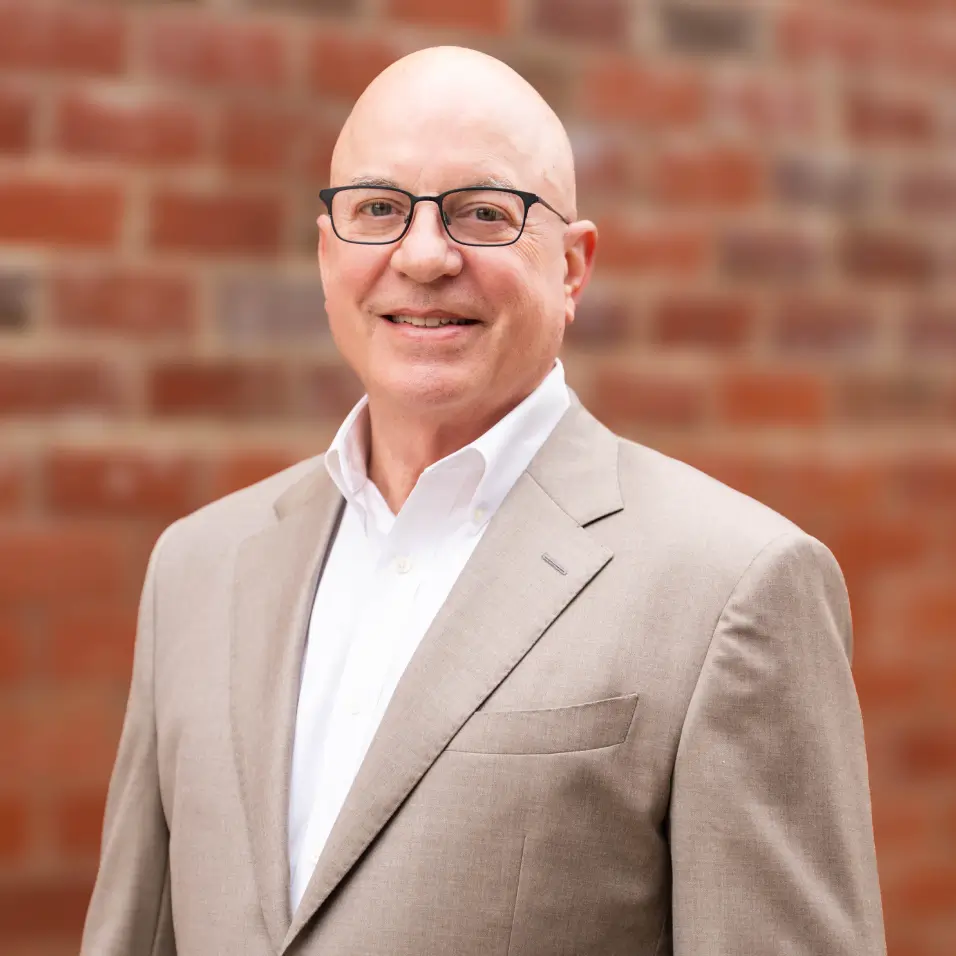
David H. Dickieson
General Counsel
Mr. Dickieson, as General Counsel, is involved with Human Biosciences’ efforts to expand internationally while aiding with growth and legal compliance in the U.S.
He has over 40 years of experience as a trial attorney with the U.S. Department of Justice and with Washington, D.C. law firms. His law degree is from the University of Michigan and he received a Bachelors Degree in Government from Cornell.

Dr. Rohan K Jain
President, Human BioSciences
As the President of Human BioSciences, Dr. Rohan K Jain is responsible for the company’s overall operations, with a focus on research and development.
Dr. Jain has supervised and conducted extensive research in the collagen, biomaterials, and protein space, resulting in the release of numerous new products to the market.
Prior to his role at HBS, Dr. Jain was a capital markets attorney at Shearman & Sterling LLP. He received his Doctorate in Law and his MBA from New York University; his Bachelor’s degrees in Biomedical Engineering and Materials Science and his Master’s in Engineering Management from Johns Hopkins University. He is a member of the New York and Maryland bars.